
Data-informed decision making
I support district leaders in using data to make informed decisions, identify high-priority needs, and translate evidence into focused improvement strategies and actionable plans that build organizational capacity and drive sustainable change.
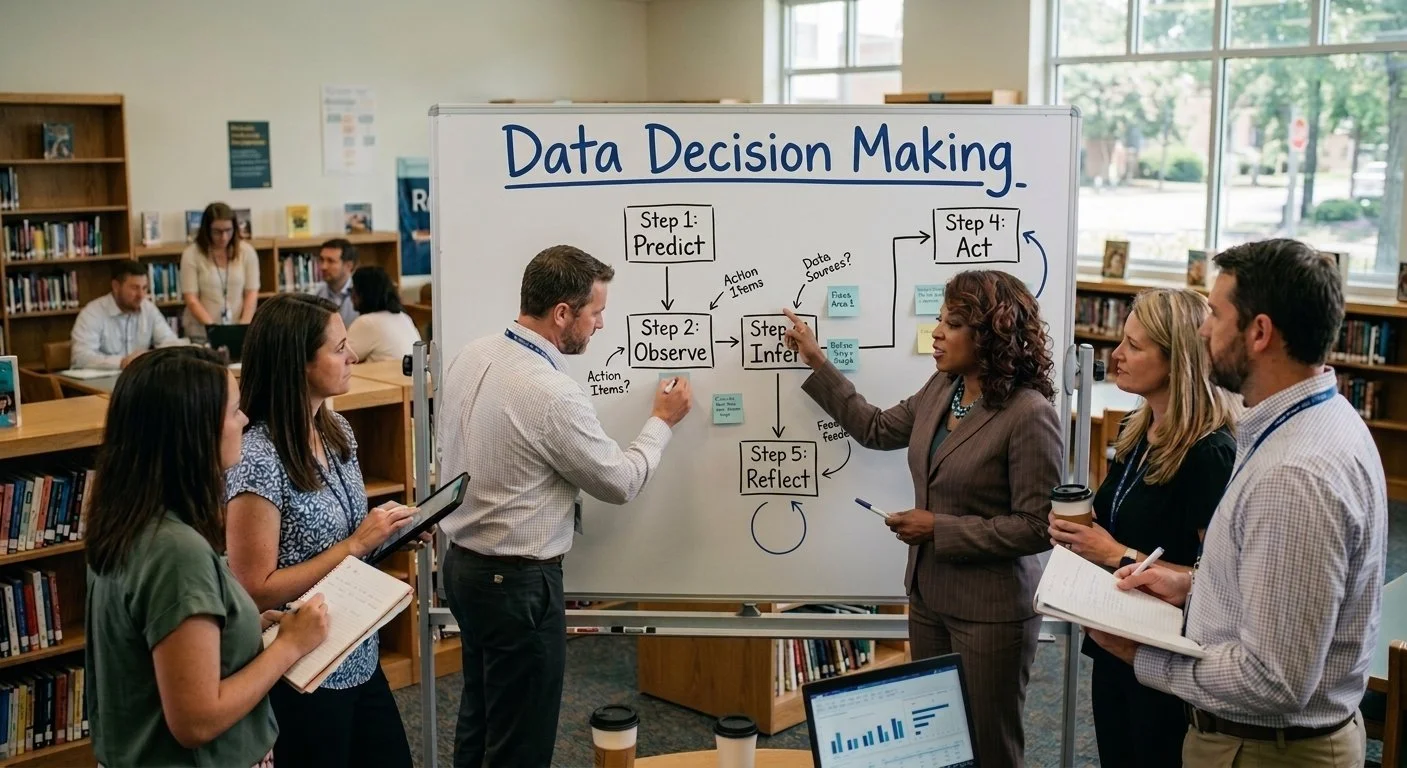
The Work at a Glance
In my current role with the North Carolina Department of Public Instruction (NCDPI), I serve as a strategic partner to districts, using data and evidence to guide decision-making and support continuous improvement. I work directly with superintendents and district leaders to:
Examine multiple sources of data,
Identify the most pressing challenges, and
Understand the systems and practices contributing to those outcomes.
I help district leaders use evidence to prioritize needs, determine where targeted support can have the greatest impact, and develop focused action plans aligned to identified priorities.
Through these partnerships, I help districts establish a cycle of examining data, identifying needs, prioritizing action, implementing strategies, monitoring progress, and adjusting systems and procedures based on evidence so that decisions are intentional, resources are aligned, and improvement efforts lead to stronger outcomes for students.
Confidentiality Notice: Artifacts have been redacted to protect personally identifiable, confidential, and/or proprietary information. Redactions do not alter the substance of the evidence or the leadership work demonstrated.
Evidence 1: From District to classroom data
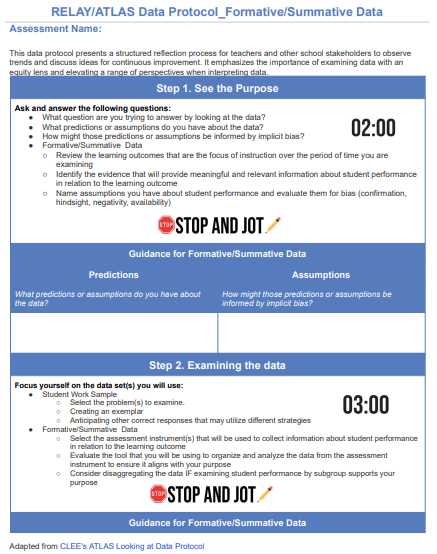
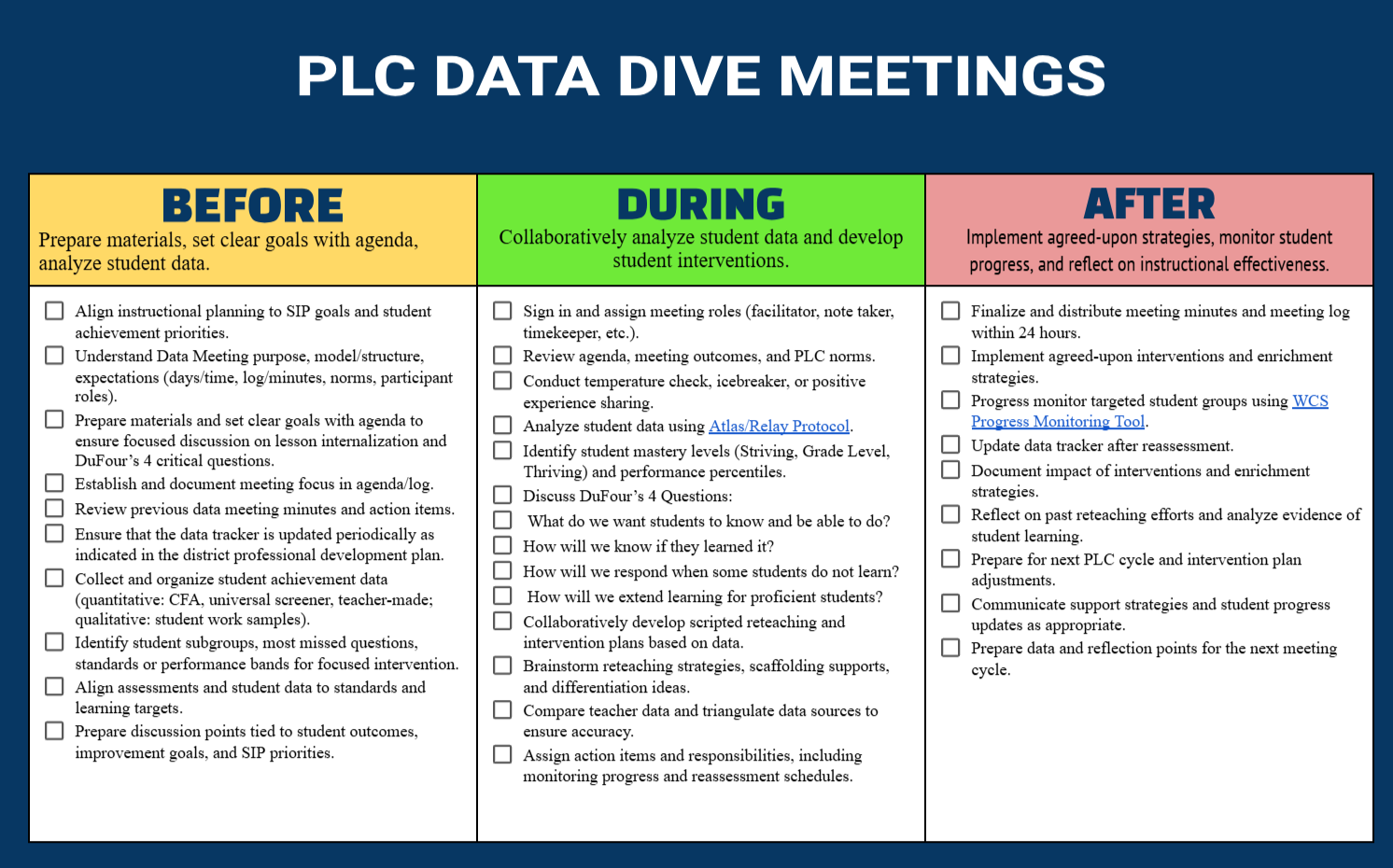
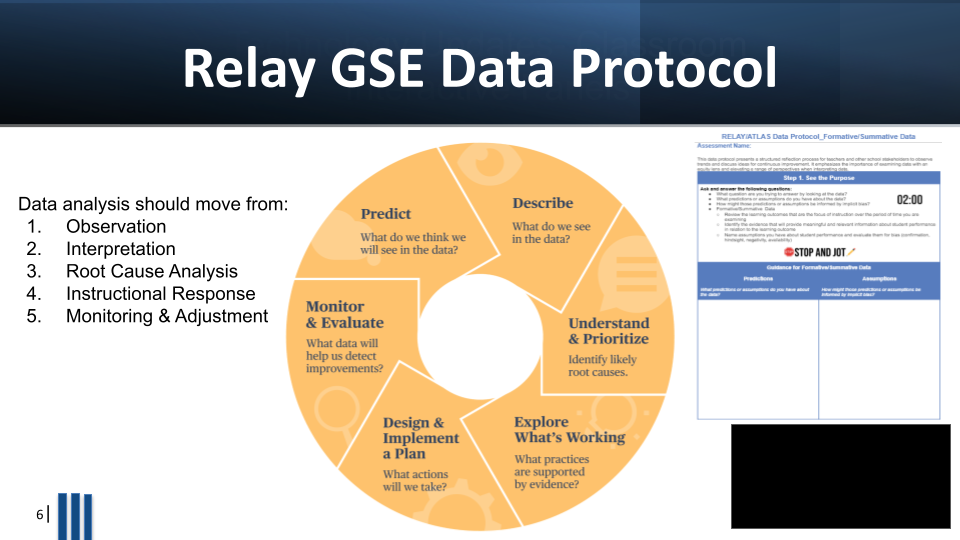
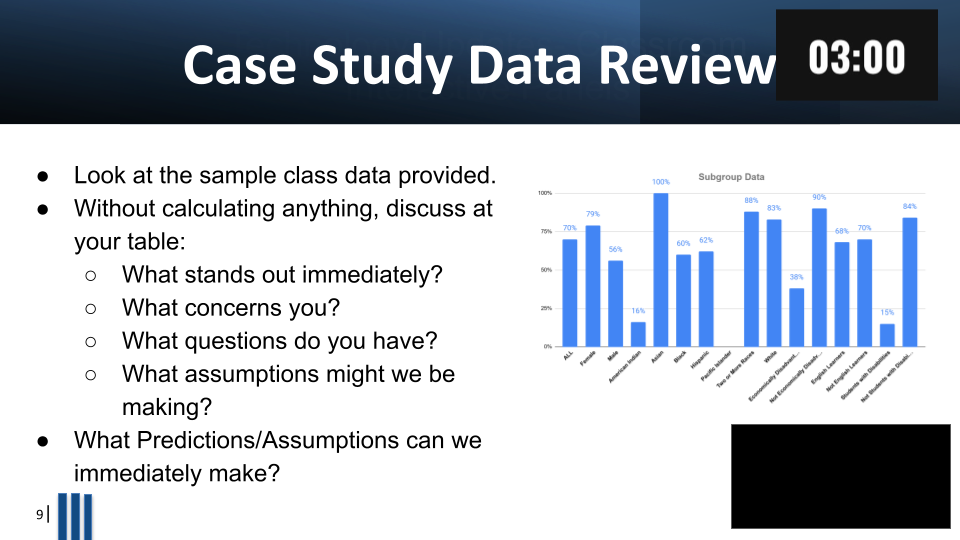
The district recognized the need to strengthen its use of data to inform instructional decision-making; however, staff were uncomfortable analyzing and discussing data and lacked a consistent process for translating data into instructional action. Data conversations were often limited to reviewing results rather than examining patterns, identifying root causes, and determining responsive next steps.
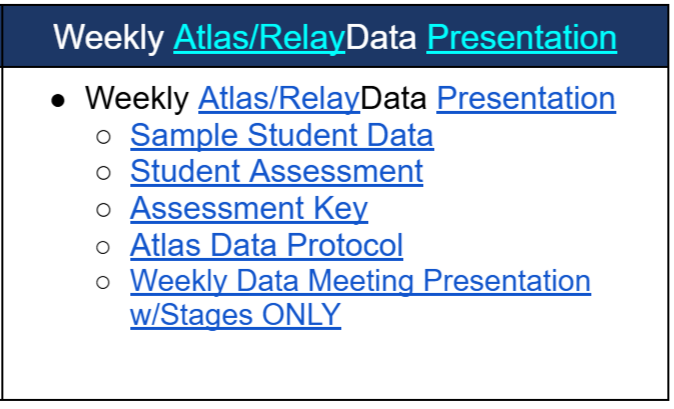
As a strategic partner and capacity builder, I revisited the Relay/GSE data protocol and helped the district adapt ATLAS for data discussions. I trained instructional coaches on the ATLAS protocol, modeled the data dialogue protocol for coaches and principals, facilitated structured data conversations. I supported the district by attending weekly data-meetings, I modeled how to move from data points to meaningful questions and actionable conclusions. I also conducted professional learning using a data case study to provide school leaders with a practical opportunity to analyze evidence, identify instructional implications, and practice making data-informed decisions.
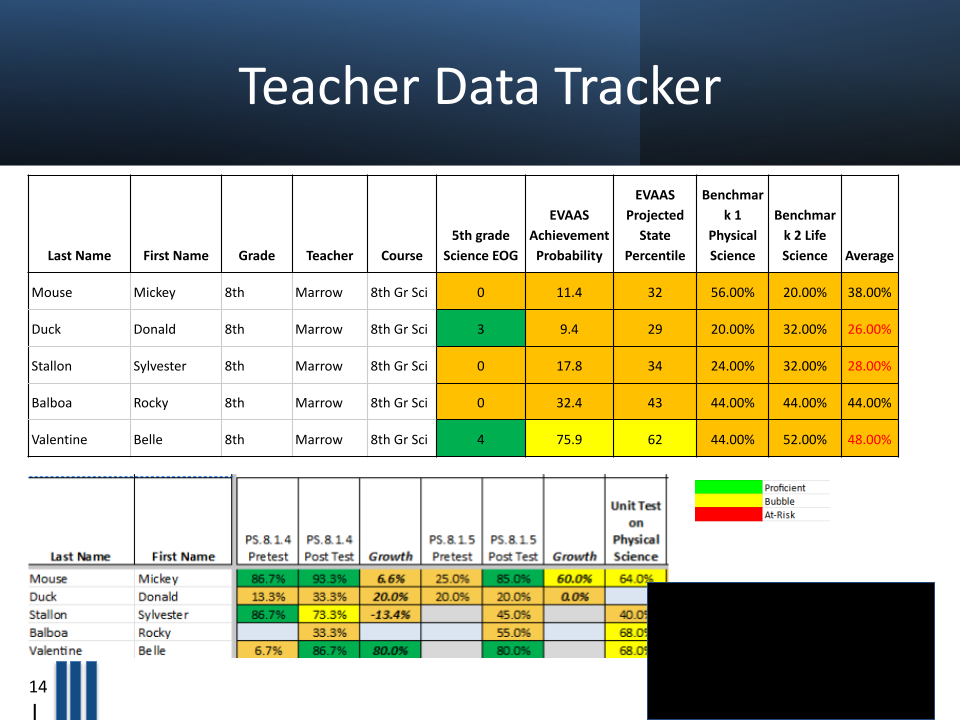
To sustain the process beyond professional learning, I supported the development and use of teacher data trackers to structure ongoing data discussions and document instructional responses. This approach helped shift data use from an activity focused on reviewing results to an ongoing process of analyzing evidence, identifying needs, planning responses, monitoring progress, and adjusting instruction based on what the data revealed.
Evidence 2: TRACKING STUDENT DATA
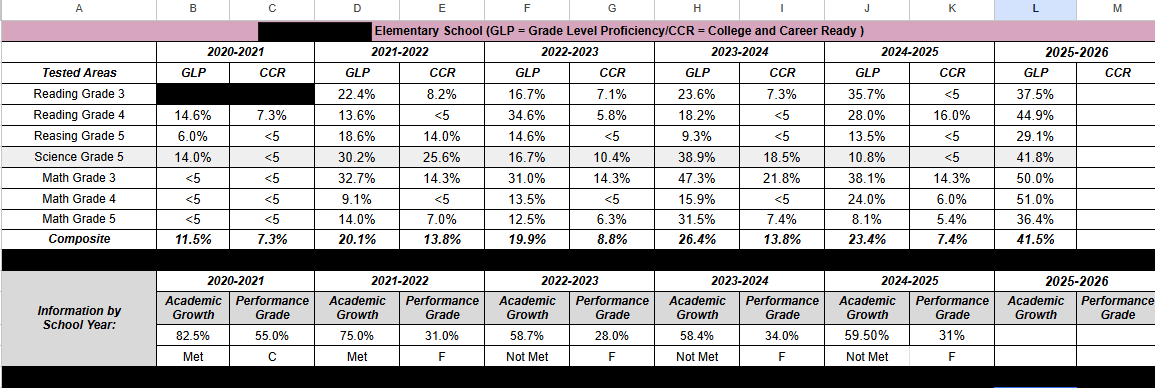
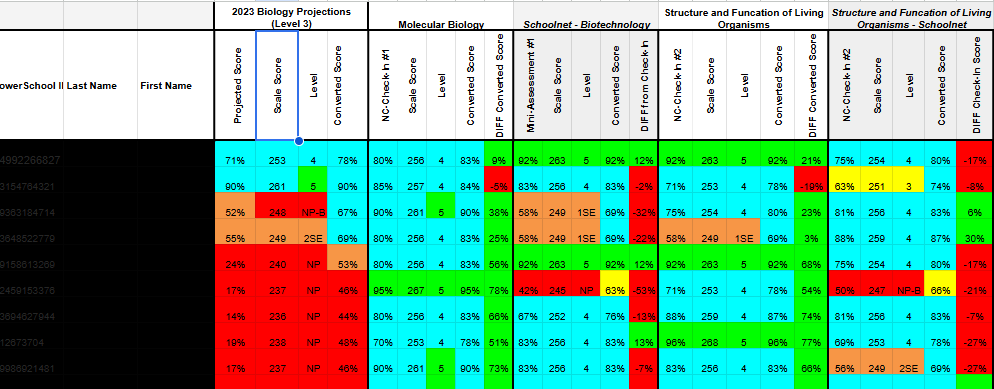
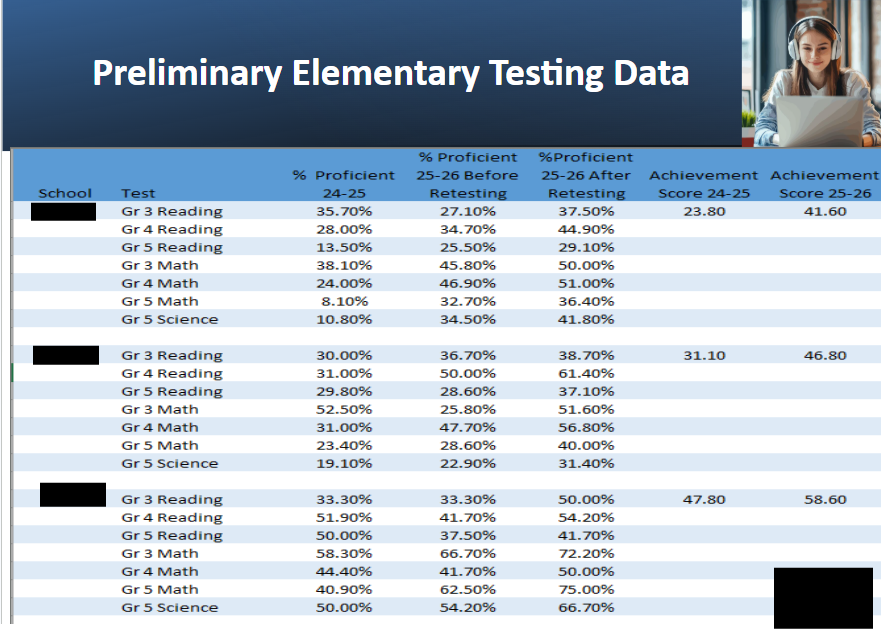
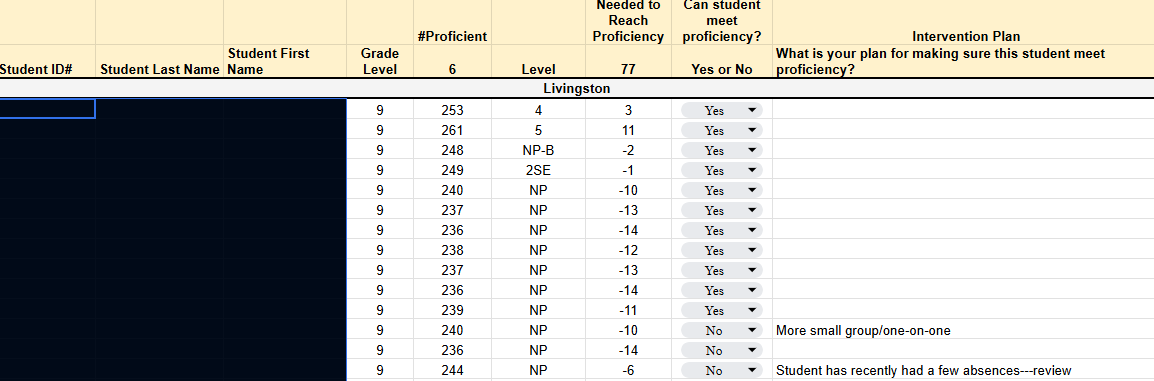
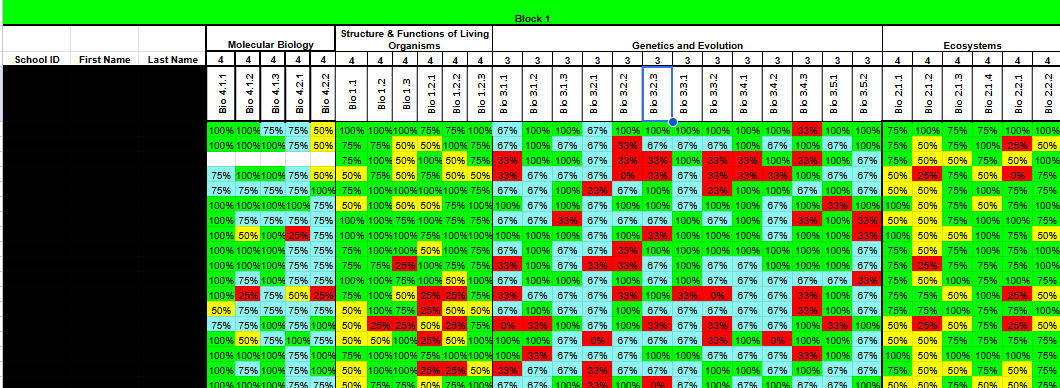
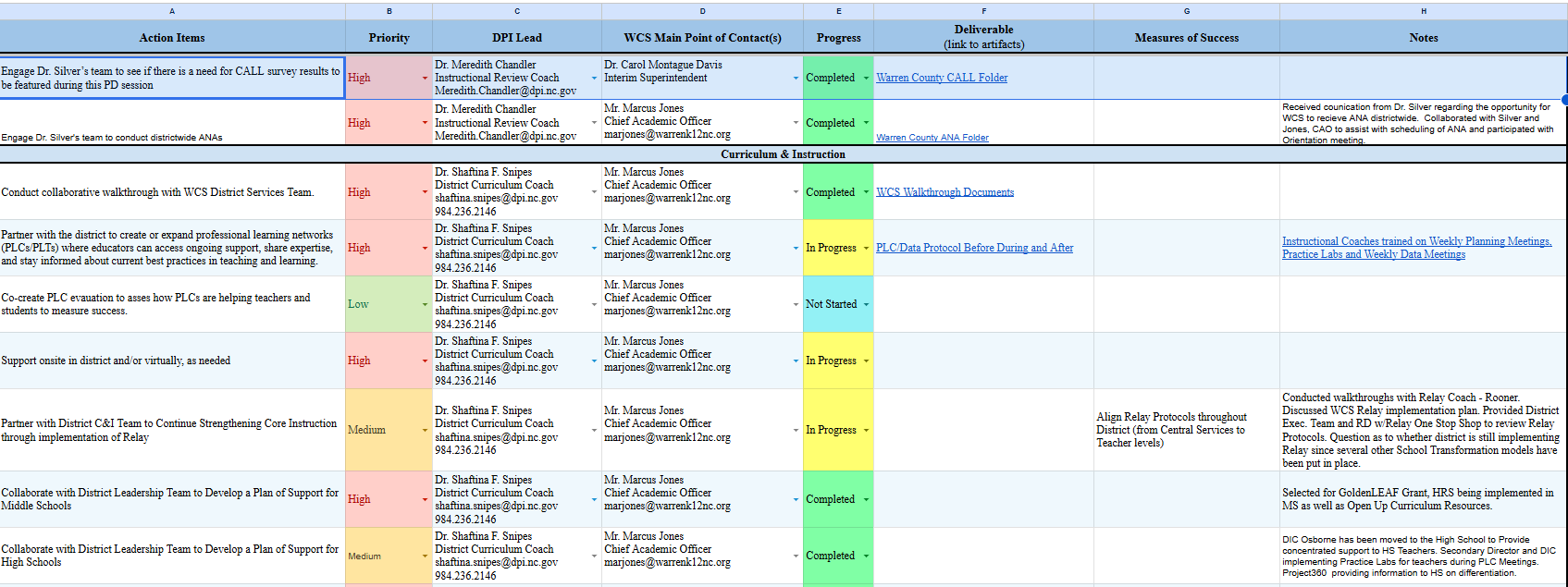
The district had access to student performance data, but data was largely held at the district level and was not consistently shared with school leaders and teachers. This limited teachers’ ability to monitor individual student progress, identify learning gaps, and make timely instructional adjustments. Without access to appropriate student-level data, teachers had limited opportunities to use evidence to accelerate student growth.
I served as a strategic partner to help the district move from holding data to strategically sharing and using data for instructional improvement. I worked closely with the district leadershp to determine what level and type of data should be provided to teachers to support meaningful instructional decision-making. In addition, I partnered with the Accountability Director to identify the most relevant data teachers needed at the classroom and student levels. We developed a process for providing teachers with accessible data and supporting them in learning how to unpack the data, identify student needs, track individual student progress, and make instructional decisions based on what the data revealed.
I also supported the development of teacher knowledge of how to utilize data trackers that allowed educators to monitor student performance over time and use that information to adjust instruction. The goal was to ensure teachers were not simply receiving data, but were developing the capacity to understand it, act on it, and monitor the impact of their instructional decisions.
Data discussions were not consistently embedded in district leadership practices, and school-level data trends were not routinely examined across schools. This limited opportunities for district leaders to identify patterns, surface areas of concern, and use evidence to guide problem-solving across the district.
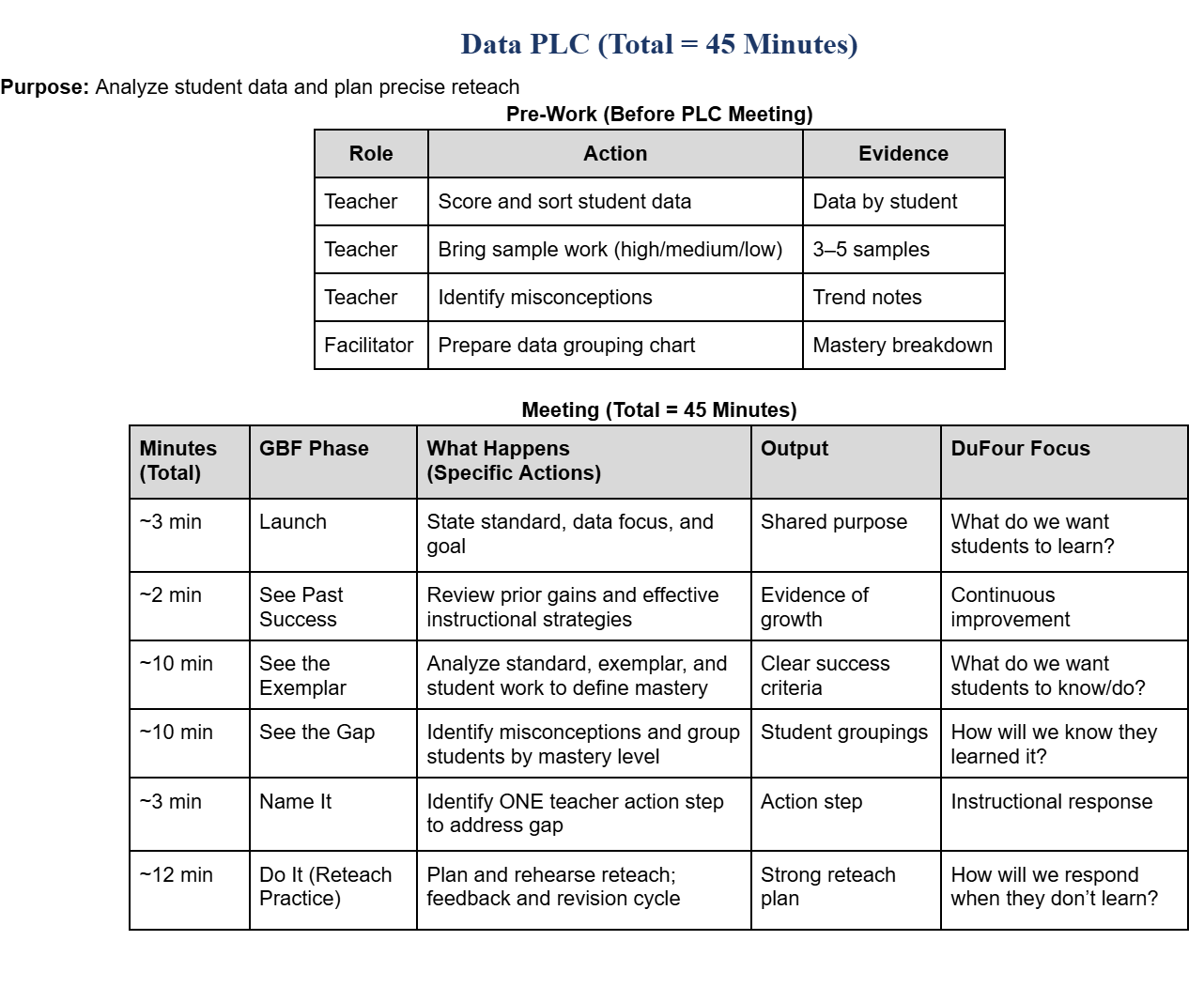
I worked directly with district leaders to strengthen the principal PLC structure and create a more intentional process for using data as part of ongoing leadership discussions. My role was to help district leaders redesign the structure so that data became a routine part of the conversation rather than an occasional or isolated topic.
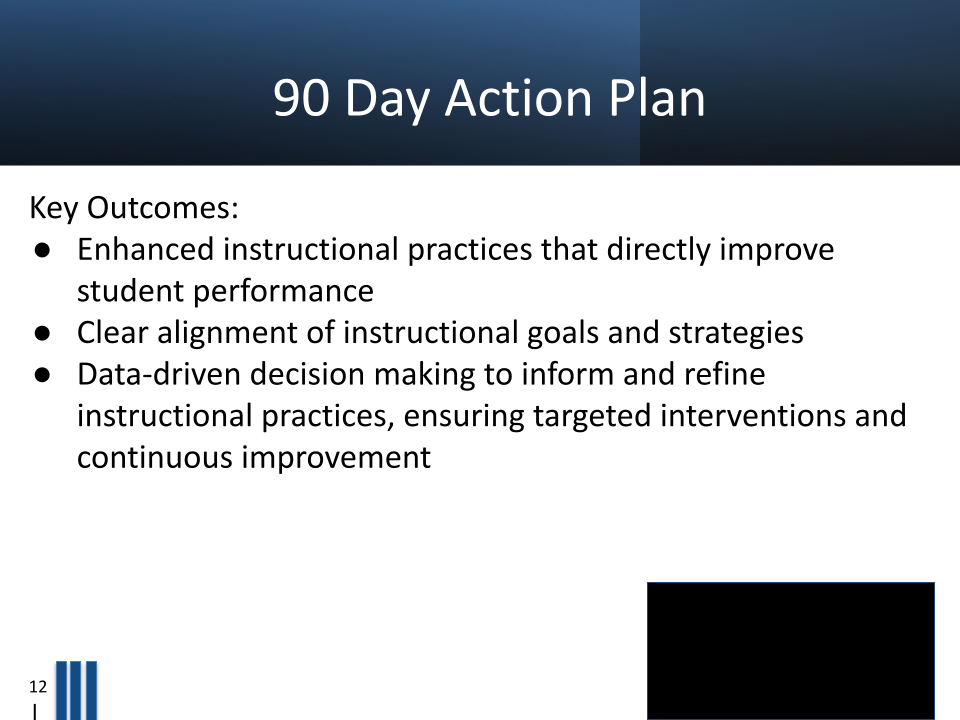
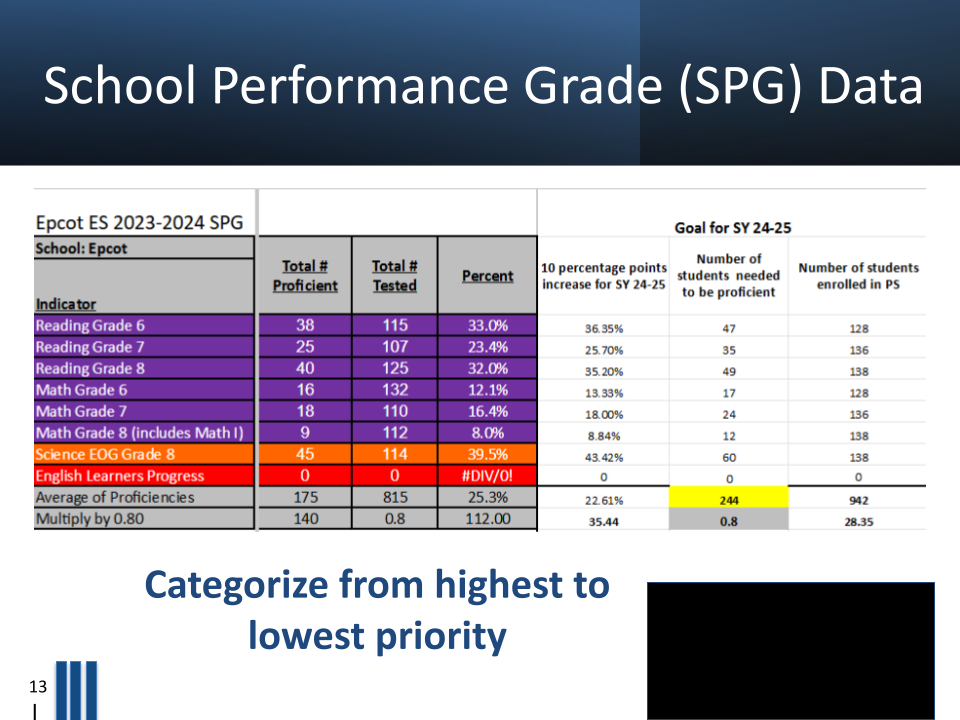
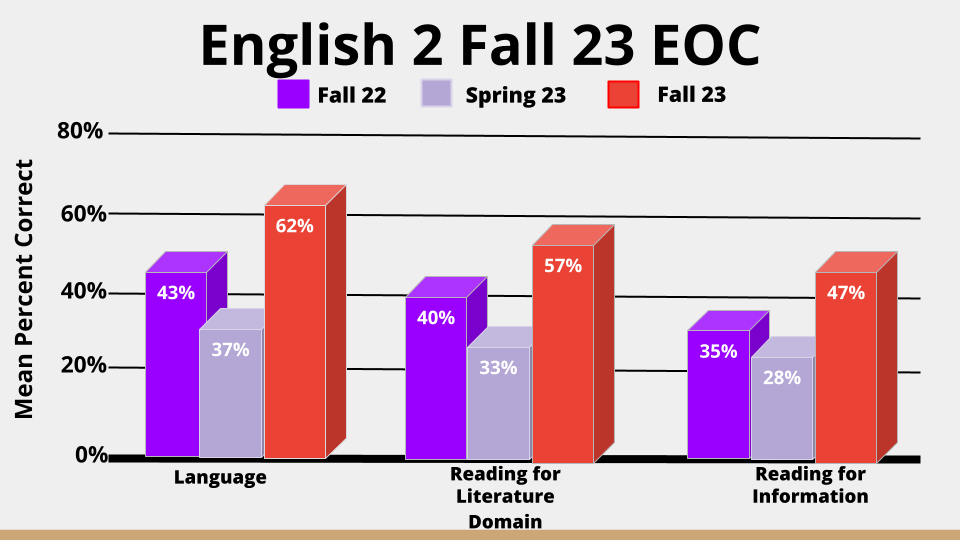
I worked with district leaders to revise the principal PLC agenda, structure, and expectations so that data analysis became an integral part of each leadership discussion. The revised process created routine opportunities for principals to examine performance trends, discuss areas of concern, identify patterns across schools, and engage in collaborative problem-solving.
This shift positioned data as a routine leadership tool for understanding problems, determining priorities, and informing action, rather than simply a report of past performance.
Evidence 3: School Leader DATA PLC

i empower Districts to
dream big… EMBRACE CHANGE…
and ACCELERATE STUDENT GROWTH.
REFLECTION

Effective data-informed decision-making is not simply about having access to data, it is about building the capacity and structures needed to understand data, engage in meaningful dialogue, and use evidence to drive action.
Through my work with districts, I have learned that barriers to data use can exist at different levels of a system. Sometimes the challenge is access to the right data. At other times, leaders and teachers need support in understanding what the data means or developing the confidence to engage in difficult data conversations. My role has been to help districts address these barriers by creating processes, building capacity, and embedding data use into their existing practices.
These experiences reinforced my belief that sustainable improvement occurs when data moves from being something that is reported to educators to something that is used by educators. Ultimately, my work is about helping districts develop the confidence, structures, and habits necessary to make data-informed decisions consistently, not because data is required, but because it provides the evidence needed to determine what students need next.